

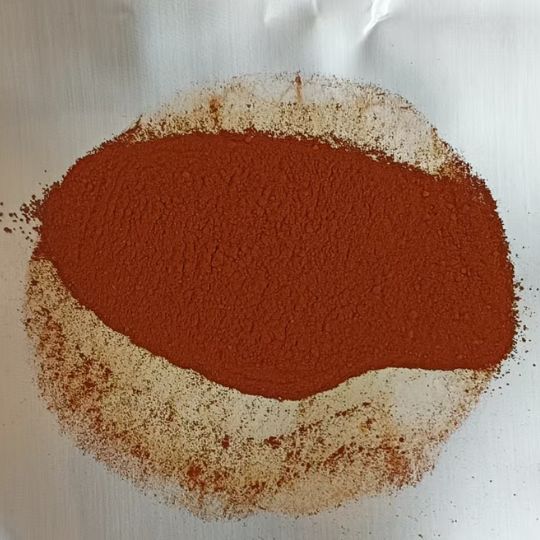


Brief Informaiton of Ferric Carboxymaltose
Ferric Carboxymaltose CAS : 9007-72-1
Molecular Formula: [FeOx(OH)y(H2O)z]n[{(C6H10O5)m(C6H12O7)}l]k n≈10³,m≈8,l≈11,k≈4
Molecular Weight: 130,000~200,000 Da
Regular package: 25kg/drum
What is Ferric Carboxymaltose?
Carboxymaltose iron is a complex of ferric hydroxide and carbohydrate polymers, exhibiting stable physicochemical properties. It is primarily used for patients who cannot tolerate oral iron supplements or whose oral iron supplements are ineffective, or for patients with kidney disease. Highassay provides the API raw material, which appears as a brownish-red powder. It can be further manufactured into an intravenous iron supplement. Unlike traditional oral iron supplements absorbed through the gastrointestinal tract, carboxymaltose iron is injected directly into the bloodstream, providing rapid and efficient iron replenishment.
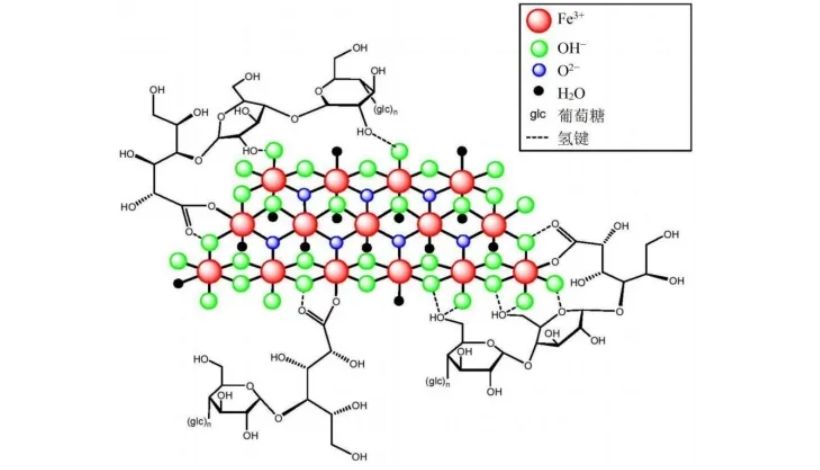
Advantages of Ferric Carboxymaltose Injection
Rapid Onset of Action: Because it is injected directly into the bloodstream, it bypasses the gastrointestinal digestion and absorption process, resulting in a faster onset of action.
Minimally invasive Side Effects: Since it is not digested and absorbed by the gastrointestinal tract, it significantly reduces gastrointestinal irritation.
Who Is Suitable To Use Ferric Carboxymaltose?
Patients with chronic kidney disease, gastroenteritis, severe postpartum anemia, and women with heavy menstrual bleeding.
Patients whose hemoglobin levels are below surgical thresholds and who face delayed surgery.
- Elderly individuals, pregnant women, and cancer patients who cannot make frequent hospital visits.
- Patients with stable hemodynamics in the emergency department.
- Children over 1 year old.

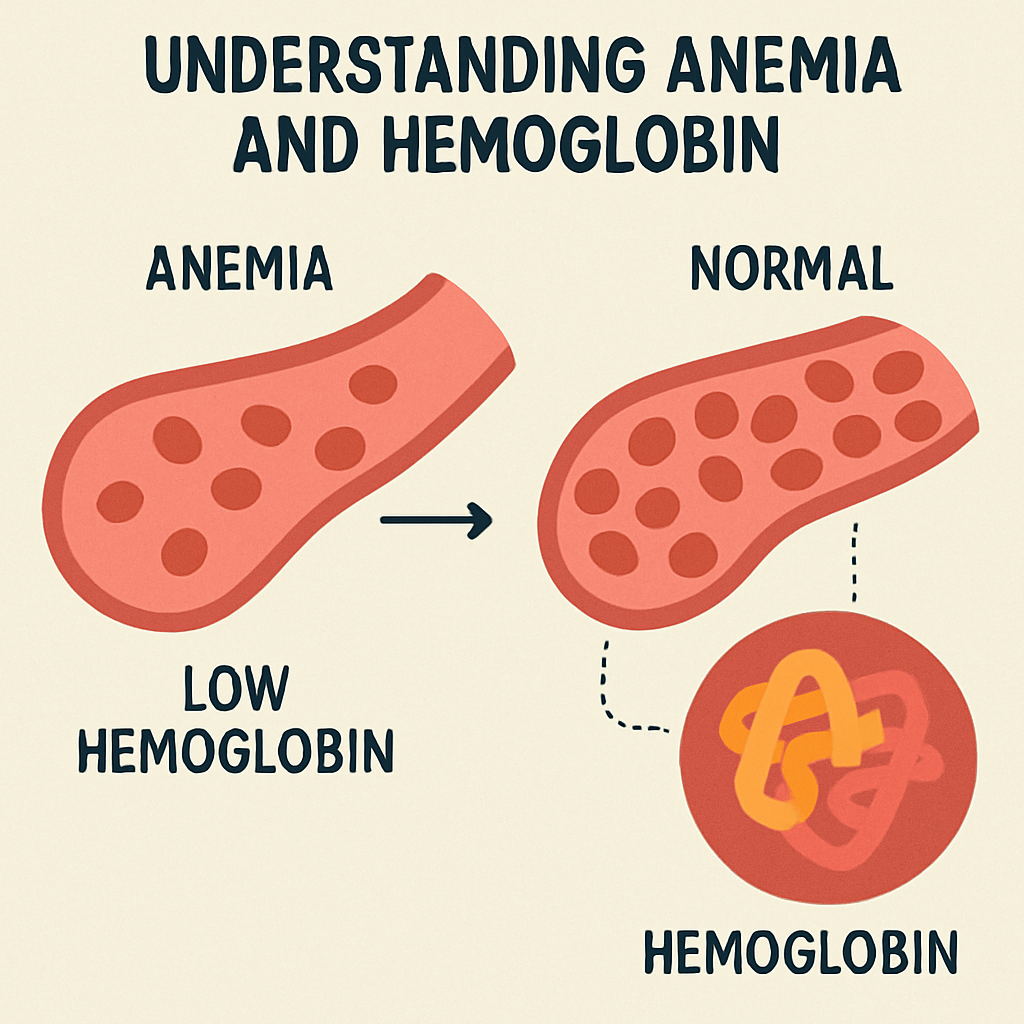
The Role and Benefits of Intravenous Iron Infusion
Intravenous iron infusion is a medical method used to rapidly increase the body’s iron levels. Unlike oral iron supplements, which may take weeks or months to show results, intravenous iron delivers iron directly into the bloodstream, rapidly increasing iron levels.
Oral iron supplements are effective for mild iron deficiency but often cause gastrointestinal side effects such as nausea and constipation. Intravenous iron bypasses the digestive system, reducing these side effects and allowing for safe administration of higher doses.


Commonly used names include Injectafer and Ferinject.
Suitable for treating iron deficiency in adult patients who have not responded to oral iron supplementation, cannot take oral iron supplements, or require rapid iron replacement clinically.
Common side effects include allergic reactions. Some repeat users may experience hypophosphatemia and hypertension.
The active pharmaceutical ingredient can be stored at room temperature in a sealed container.
Injectable formulations should be kept in a cool environment at 2-8°C.
Ferric carboxymaltose provides available iron to the body’s iron transport and storage proteins (transferrin and ferritin, respectively) in a controlled manner.
Most people tolerate ferric carboxymaltose well, but a small percentage experience side effects such as headache, dizziness, flushing, and nausea.
Fatigue, diarrhea or gastrointestinal discomfort, joint pain. These side effects are usually temporary and will subside as the body adjusts. If you experience persistent side effects, consult a doctor.
Related Products

Some Ways To Improve Iron Absorption
Regardless of the iron supplement you choose, it is recommended to consume it with foods or beverages high in vitamin C, such as orange juice or grapefruit.
Avoid taking it with calcium, caffeine, and dairy products, as calcium can interfere with iron absorption.
Daily iron intake varies from person to person, but a common recommended dose is:
Adults: 65 mg of iron daily (or a higher dose as prescribed by a healthcare professional)
Ferritin is a protein that stores iron in cells. Low ferritin levels indicate insufficient iron reserves and may indicate anemia.
Most patients experience a significant increase in ferritin levels within two to three weeks after receiving an iron infusion. Oral supplements may take several months to achieve similar levels of ferritin increase.
Conclusion: The probability of hypersensitivity reactions to carboxymaltose iron is much lower than that of isomaltose iron.
| Incidence of hypersensitivity reactions | Ferric carboxymaltose | Isomaltose iron |
| Danish Studies | 2.5% | 10.7% |
| Dutch Studies | 2.2% | 8.7% |
| European Data | 0.3-0.4/100000 | 2.4-5.0/100000 |
| Korean Studies | 0.39% | 2.97% |
American research shows that, compared with dextran iron, carboxymaltose iron has a lower incidence of immune system diseases (0% vs 10.3%, P=0.003) and skin diseases (7.3% vs 24.4%, P=0.004).