

A Brief Introduction to Lactulose
Molecular Formula: C12H22O11
Molecular Weight: 342.3
CAS No.: 4618-18-2
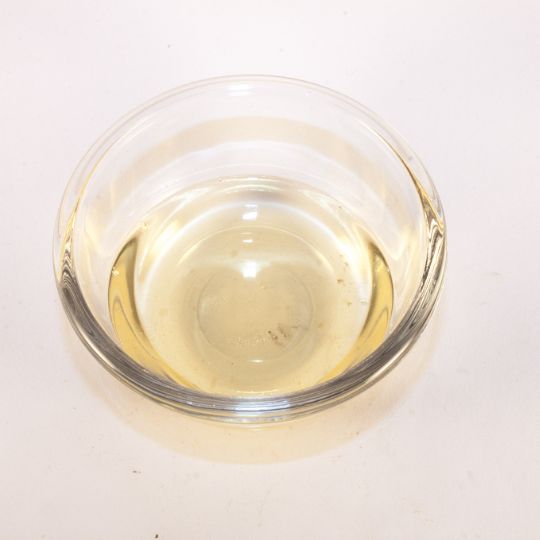
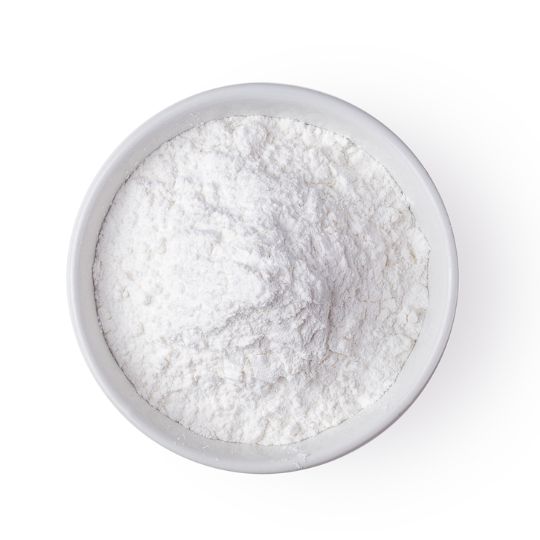
Appearance: Pale yellow, transparent, viscous syrup or white powder
What is Lactulose?
Lactulose, also known as Isomerized Lactose, is a synthetically produced disaccharide (D-galactose, D-fructose) beneficial to human health. It can only be broken down in the colon, into organic acids that help regulate the intestinal tract. Lactolic acid can be used in pharmaceutical production and as a food additive.

Highassay’s Lactulose
Highassay offers lactulose in two forms: lactulose concentrate and lactulose powder.Our lactulose raw materials are produced under GMP conditions and meet pharmacopoeia standards.
Liquid: Lactulose concentrate, a pale yellow, transparent, viscous syrup.
Solid: Lactulose powder, a white powder.
Buy Lactulose From Highassay
Highassay adheres to strict quality control (QC) to produce Lactulose. Buy Lactulose in bulk from us now to get competitive market prices.We will provide you with customized packaging services.
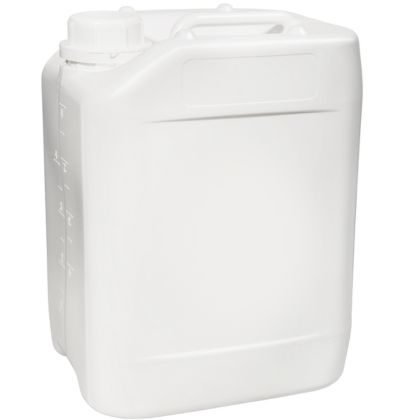 Liquid Packaging
 Liquid Packaging
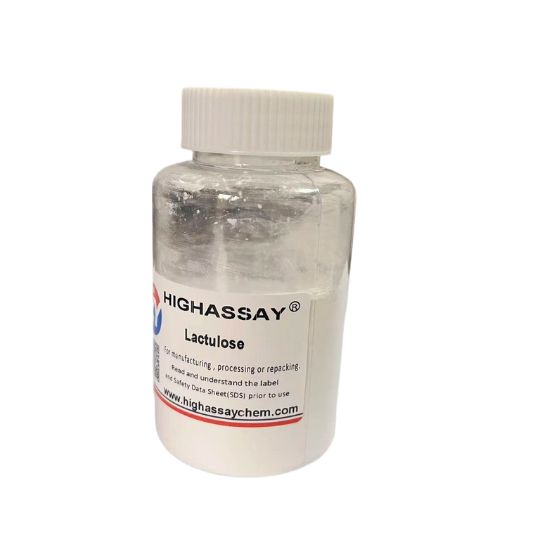
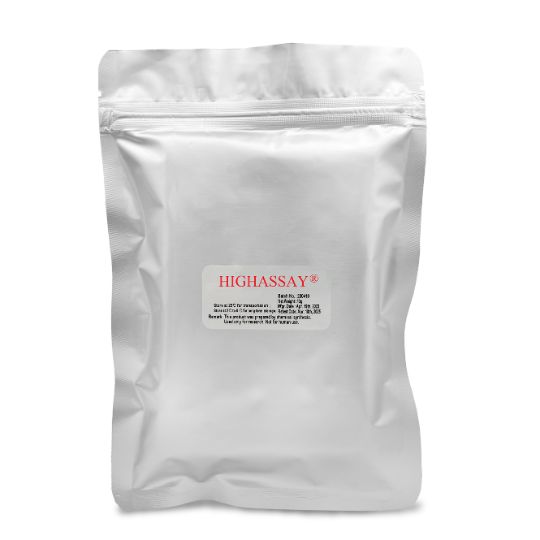 Powder Package
 Powder Package
Uses of Lactulose
- Lactulose raw material can be used to produce lactulose syrup and lactulose oral solution. This dosage form is not only convenient to take, but most importantly, it has a fast onset of action. It is the most commonly used product form for treating constipation and hepatic encephalopathy.
- Lactulose raw materials can be used to produce solid lactulose granules and powders, which are easy to store and transport.
- Lactulose raw materials can be used to produce lactulose enemas, which are suitable for constipation patients who require short-term intervention or for patients with severe, comatose hepatic encephalopathy. It is one of the effective ways to quickly reduce blood ammonia levels.
- Besides its applications in the pharmaceutical industry, lactulose can also be used in the health care field, such as functional food additives (infant formula, etc.), probiotic preparations, and animal feed additives.


Lactulose for treating constipation
Lactulose, an osmotic laxative, is suitable for patients with acute, chronic, or habitual constipation. As a mild and safe laxative, it is also suitable for the elderly, children, pregnant women, and breastfeeding mothers. In the colon, Lactulose is broken down into acid, lowering the intestinal pH, promoting intestinal peristalsis, and facilitating defecation. Simultaneously, it increases intestinal osmotic pressure, absorbing water from the surrounding intestinal tract, softening stool, and improving constipation symptoms. Through this dual regulation, it achieves a therapeutic effect on constipation. Generally, one dose per day is sufficient, 10-30 ml or 10-20 grams. If your constipation symptoms are mild, you will see results within 8-12 hours and significant improvement within 48 hours. For more severe symptoms, it may be necessary to take it continuously for about a week. Treatment effectiveness varies from person to person.
Lactulose as an adjunct therapy for hepatic encephalopathy
Similar to the principle of Lactulose in treating constipation, Lactulose lowers the pH level in the intestines, converting toxic ammonia into non-absorbable ammonium ions, which are then excreted through intestinal peristalsis. This reduces blood ammonia levels and improves symptoms in patients with hepatic encephalopathy, such as restlessness, blurred vision, and altered consciousness. Initially, oral Lactulose can be used as an adjunct therapy; in later, severe cases or comatose states, enemas can be administered. The dosage varies depending on the stage of hepatic encephalopathy. For example, during an acute attack, 30-50 ml should be administered every 1-2 hours until 2-3 bowel movements occur; during the maintenance phase of chronic hepatic encephalopathy, 15-30 ml should be administered 2-3 times daily.


About Lactulose
- Taking Lactulose will not affect blood sugar because it exists as a lubricant on the inner surface of the digestive tract and is not absorbed by the body, making it relatively friendly to diabetics.
- For patients with conditions like habitual constipation, long-term use may be necessary. It is recommended that you have your serum protein levels checked at the hospital around 6 months to see if any adjustments to the treatment are required.
- Because Lactulose stays in the body for approximately 3-5 days, long-term use may lead to diarrhea due to intestinal flora imbalance. Excessive consumption may also cause diarrhea.
- Lactulose may interact with some medications, so consult your doctor before taking them together, or choose to take them at different times to reduce the impact.
No, Lactulose is a targeted treatment for specific symptoms; it is only suitable for hepatic encephalopathy and constipation.
When Lactulose is used to treat constipation, it is an over-the-counter drug and can be purchased at the counter; however, when it is used to treat hepatic encephalopathy or as a Lactulose enema, it is a prescription drug and requires a doctor’s prescription.
Yes, it is generally safe, but it should be used under the guidance of a veterinarian. It is suitable for pets with constipation, liver disease, and other ailments. After use, you should closely monitor your pet’s bowel movements.
Side effects of Lactulose
- When taken in normal and appropriate amounts, side effects are generally few and almost non-existent. However, it is possible that some mild symptoms such as bloating and nausea may occur due to individual constitution or other factors. These symptoms will disappear on their own. You can continue to take the medication or dilute it with water before taking it.
- If you take a dose higher than the recommended therapeutic dose, you may experience diarrhea, abdominal pain, etc. You will need to reduce the dose or temporarily stop taking the medication.
- If you take high doses of medication for a long period while treating hepatic encephalopathy, you are very likely to experience electrolyte imbalances, which usually manifest as fatigue and arrhythmia. Please seek medical attention promptly.
- Please take Lactulose in a reasonable and appropriate amount according to your own physical condition, health status, and symptoms. Do not take high doses for a long period of time. To reduce gastrointestinal irritation, you can also choose to take it with meals.
- Contraindications for Lactulose: It is strictly prohibited for patients with intestinal obstruction, galactosemia, or Lactulose allergy.