

A Brief Introduction to L-Hydroxyproline
Molecular Formula:C5H9NO3
Molecular Weight: 131.131
CAS No.:51-35-4
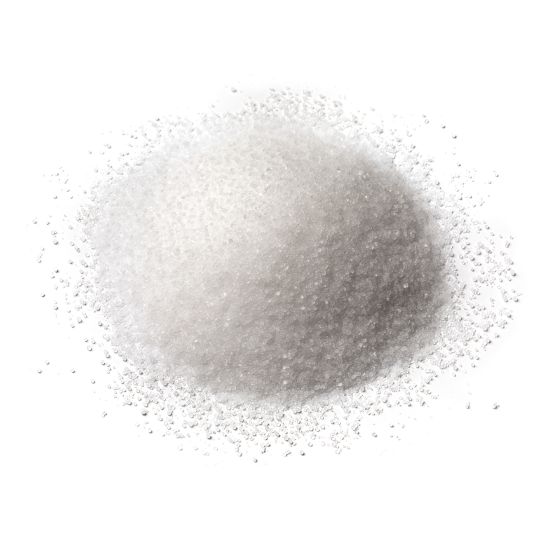
Appearance:White crystalline powder
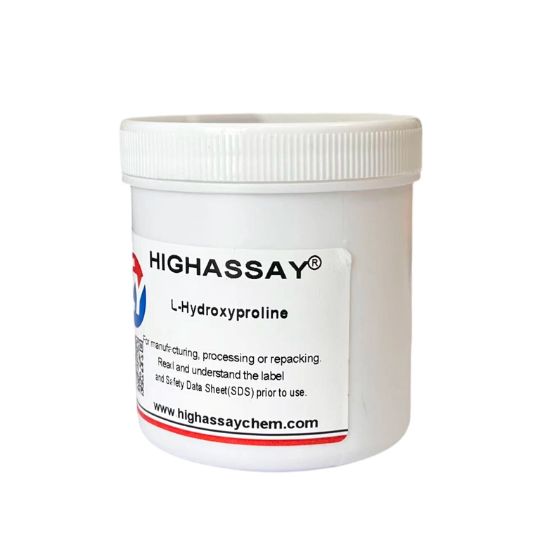
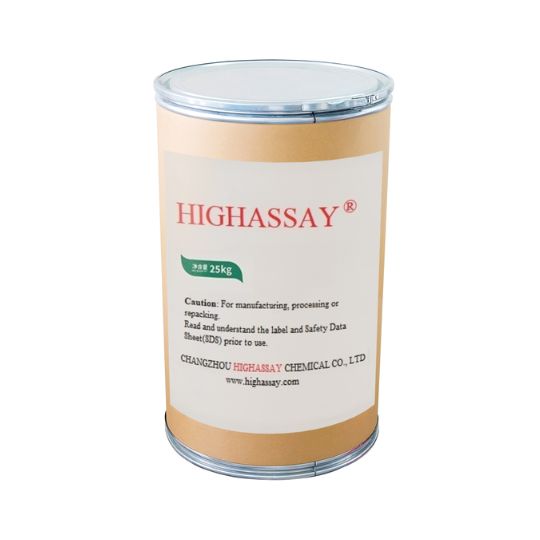
Regular commercial package: 25kg/drum
What is L-Hydroxyproline?
L-Hydroxyproline is a non-essential amino acid that can be synthesized naturally by the body or obtained through food or supplements. Because L-Hydroxyproline is the most abundant amino acid in collagen, its levels in blood and urine are important indicators of collagen metabolism. It is also a diagnostic marker for bone metabolism and liver fibrosis.
Applications of L-Hydroxyproline
Highassay adheres to strict quality control (QC) to produce L-Hydroxyproline. Buy L-Hydroxyproline in bulk from us now to get competitive market prices.
 Cosmetics
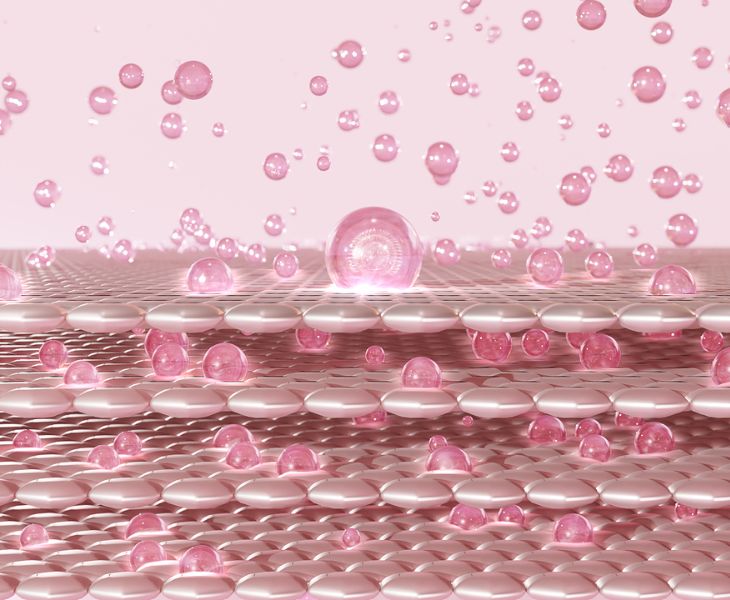
It is added as a key ingredient to various cosmetics, such as anti-wrinkle creams and foundations. It has the effect of firming the skin and smoothing wrinkles. It can also be used to improve the smoothness and elasticity of hair.
 Food additive
It is sold as a nutritional supplement. As a major component of collagen, it is recommended for middle-aged and elderly people to take appropriate supplements to help prevent osteoporosis and maintain bone and joint health.
 Pharmaceutical field
It can be used as a pharmaceutical intermediate or as a wound healing accelerator. It helps patients undergoing treatment for burns, trauma, and other injuries to accelerate wound healing and reduce scar formation.
 Biological field
It is used in the production of biomaterials (such as biosensors) and in biological culture media.
Benefits of L-Hydroxyproline
- As a major component of collagen, an increase in L-Hydroxyproline helps repair damaged tissues such as skin, bone, and cartilage.
- L-Hydroxyproline plays a vital role in retaining skin moisture, smoothing wrinkles, and maintaining skin elasticity. Supplementing with L-Hydroxyproline can help us appear younger from the inside out.
- L-Hydroxyproline supplementation helps accelerate wound healing, as collagen plays a significant role in tissue repair.
If you have any questions about processing L-Hydroxyproline, Highassay’s R&D team is here to help.
Source of L-Hydroxyproline
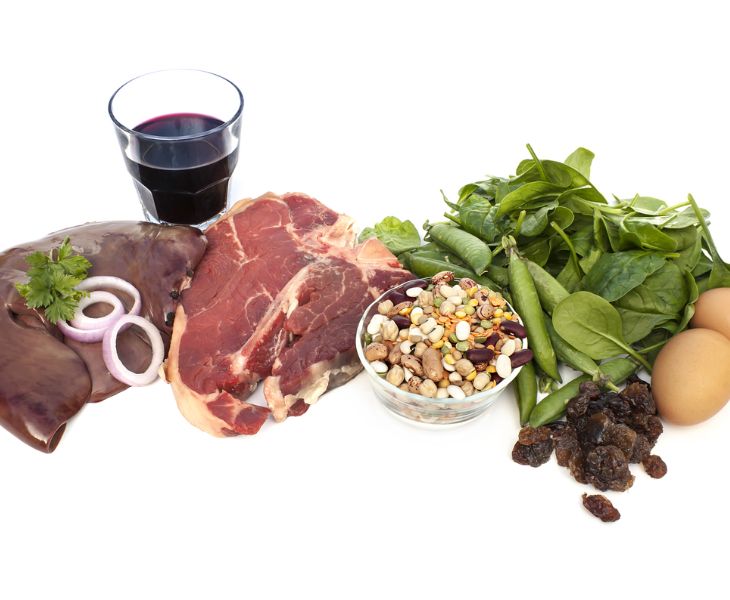
L-Hydroxyproline can be obtained through daily diet or supplements, or it can be converted from L-Proline supplements. There are not many foods that can directly provide L-Hydroxyproline in the daily diet, especially for vegetarians. Plant-based foods such as beans, nuts, and seeds do not contain L-Hydroxyproline, only proline. To convert proline into L-Hydroxyproline, vitamin E is essential. Meat (especially skin and organ meats) and dairy products are rich in L-Hydroxyproline. To maintain amino acid balance in the body, it is recommended to take an appropriate amino acid supplement.
L-Hydroxyproline is synthesized by the L-Hydroxylation reaction of L-Proline with other amino acids, aided by vitamin C, during protein synthesis. Both L-Hydroxyproline and L-Proline play important roles in stabilizing proteins in the body and can promote tissue repair, enhance immunity, and provide energy, among other benefits.
Acetyl L-Hydroxyproline is a derivative of L-Hydroxyproline. When used to increase skin permeability, it has significant effects on topical skincare and is often used in the beauty industry.
Specification of L-Hydroxyproline
| L-Hydroxyproline | AJI92 |
| Assay | 99.0~101.0% |
| PH | 5.0~6.5 |
| Specific rotation[a]D20 | -74.0°~-77.0° |
| Specific rotation[a]D25 | / |
| Transmittance(T430) | ≥95% |
| Chloride(Cl) | ≤0.02% |
| Ammonium(NH4) | ≤0.02% |
| Sulfate(SO4) | ≤0.02% |
| Iron(Fe) | ≤10ppm |
| Heavy metals(Pb) | ≤10ppm |
| Arsenic | ≤1ppm |
| Other amino acids | Chromatographically not detectable |
| Ninhydrin-positive substances | / |
| Loss on drying | ≤0.20% |
| Residue on ignition | ≤0.10% |
| Total plate count | ≤ 1000 CFU/g |
| Moulds & Yeasts | ≤ 100 CFU/g |