Introduction
PEG is a commonly used ingredient in the pharmaceutical, chemical, industrial, cosmetic, textile, and ink industries. It comes in a wide variety of forms and functions. This article provides an in-depth understanding of PEG types, common grades, derivatives, and their respective uses.
What is Polyethylene Glycol (PEG) ?
PEG is a nonionic polyether compound formed by the stepwise addition polymerization of ethylene oxide and water or ethylene glycol. Its structure is HO(CH2CH2O)nH. The molecular weight increases with the value of n. PEG’s appearance varies with its molecular weight: PEGs with a molecular weight of 200-600 are liquid at room temperature, PEGs with a molecular weight of 600-1500 are waxy, and PEGs with a molecular weight of 1500 and above are solid. PEG has a wide range of applications in medicine and industry.
What are the common PEG models?
PEG200, PEG300, PEG400, PEG540, PEG600, PEG1000, PEG1450, PEG1500, PEG2000, PEG3000, PEG3350, PEG4000, PEG6000, PEG8000, PEG10000, PEG20000, PEG35000
What are the grades of PEG?
There are Industrial, Food, and Pharmaceutical Grades
Food grade generally refers to FCC standards, while pharmaceutical grade complies with USP/NF/EP.
Characteristics of Polyethylene Glycol
Biocompatibility
PEG exhibits excellent water solubility and compatibility with organic solvents, making it compatible with most drugs and biological products.
Chemical Stability
Low toxicity, colorless, odorless, and non-irritating. PEG has excellent thermal stability and physiological inertness, resisting decomposition, oxidation, and other reactions over a wide temperature range and under diverse chemical environments.
Modifiability
The hydroxyl groups and other functional groups at both ends of the PEG molecular structure and at the end of the branch chain can be chemically linked to other molecules according to design to achieve excellent physical and biochemical properties of the target molecule.
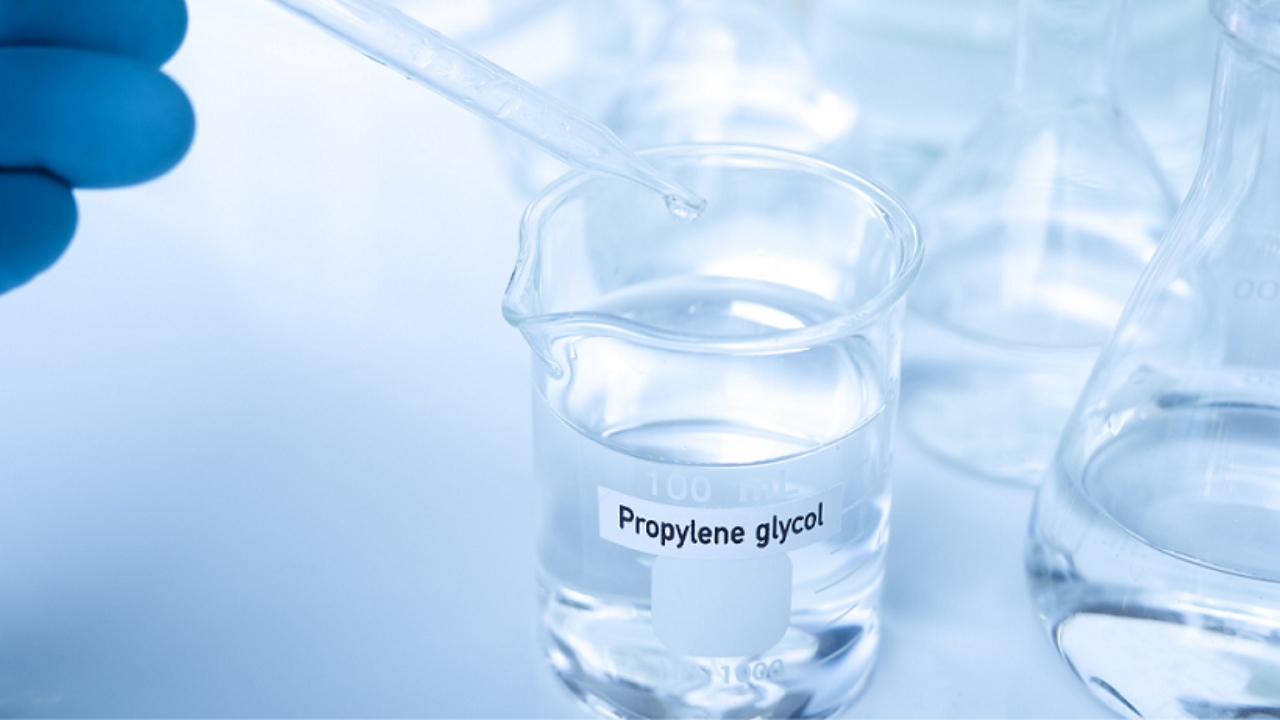
Common PEG models and parameters
| Model | appearance | Color Pt-Co | Hydroxyl Value mgKOH/g | Molecular Weight | Freezing Point (°C) | Moisture Content(%) | pH Value(1%) |
| PEG200 | Clear, viscous, hygroscopic liquid | ≤ 20 | 510-623 | 180-220 | — | ≤ 1.0 | 5.0 ~ 7.0 |
| PEG300 | Clear, viscous, hygroscopic liquid | ≤ 20 | 340-416 | 270-330 | — | ≤ 1.0 | 5.0 ~ 7.0 |
| PEG400 | Clear, viscous, hygroscopic liquid | ≤ 20 | 255-312 | 360-440 | 4 ~ 10 | ≤ 1.0 | 5.0 ~ 7.0 |
| PEG540 | liquid | ||||||
| PEG600 | Liquid or waxy form | ≤ 20 | 170-208 | 540-660 | 20 ~ 25 | ≤ 1.0 | 5.0 ~ 7.0 |
| PEG1000 | Milky white paste | ≤ 40 | 102-125 | 900-1100 | 38 ~ 41 | ≤ 1.0 | 5.0 ~ 7.0 |
| PEG1450 | |||||||
| PEG1500 | White waxy flakes | ≤ 40 | 68-83 | 1350-1650 | 43 ~ 46 | ≤ 1.0 | 5.0 ~ 7.0 |
| PEG2000 | White waxy flakes | ≤ 50 | 51-63 | 1800-2200 | 48 ~ 50 | ≤ 1.0 | 5.0 ~ 7.0 |
| PEG3000 | White waxy flakes or powder | ≤ 50 | 34-42 | 2700-3300 | 51 ~ 53 | ≤ 1.0 | 5.0 ~ 7.0 |
| PEG3350 | White waxy flakes or powder | ||||||
| PEG4000 | White waxy flakes or powder | ≤ 50 | 26-32 | 3600-4400 | 53 ~ 54 | ≤ 1.0 | 5.0 ~ 7.0 |
| PEG6000 | White waxy flakes or powder | ≤ 50 | 17.5-20 | 5500-7000 | 54 ~ 60 | ≤ 1.0 | 5.0 ~ 7.0 |
| PEG8000 | White waxy flakes or powder | ≤ 50 | 46007 | 7200-8800 | 55 ~ 63 | ≤ 1.0 | 5.0 ~ 7.0 |
| PEG10000 | Pale, hard waxy flakes or powder | ||||||
| PEG20000 | Pale, hard waxy flakes or powder | ||||||
| PEG35000 | Pale, hard waxy flakes or powder |

Food-grade and pharmaceutical-grade PEG from leading manufacturers.
Notes: S = flakes; P = ground powder; PF = finely ground powder; PS = spray-dried powder
| Model | Appearance | Aoki Japan | BASF | CLARIANT(Polyglykol®) | standard | package |
| PEG200 | Clear, viscous, hygroscopic liquid | √ | √ | √ | USP | 220 kg |
| PEG300 | Clear, viscous, hygroscopic liquid | √ | √ | √ | 130/220 kg | |
| PEG400 | Clear, viscous, hygroscopic liquid | √ | √ | 130/220/1000 kg | ||
| PEG600 | Liquid or waxy | √ | √ | √ | 200/220 kg | |
| PEG1000 | Creamy white paste | √ | √ | 220 kg | ||
| PEG1450 | √ | |||||
| PEG1500 | White waxy flakes | √ | S/FL | 25 kg | ||
| PEG2000 | White waxy flakes | √ | √ | S | 25 kg | |
| PEG3000 | White waxy flakes or powder | √ | S/P | 25 kg | ||
| PEG3350 | White waxy flakes or powder | √ | √ | USP S/P/PS | 25/91/700kg | |
| PEG4000 | White waxy flakes or powder | √ | √ | S/P/PF/PS | 25 kg | |
| PEG6000 | White waxy flakes or powder | √ | √ | S/P/PF | 25 kg | |
| PEG8000 | White waxy flakes or powder | √ | √ | S/P/PF | 25 kg | |
| PEG10000 | Pale hard waxy flakes or powder | √ | √ | S/P | 25 kg | |
| PEG20000 | Pale hard waxy flakes or powder | √ | √ | S/P | 25 kg | |
| PEG35000 | Pale hard waxy flakes or powder | √ | S | not regular |
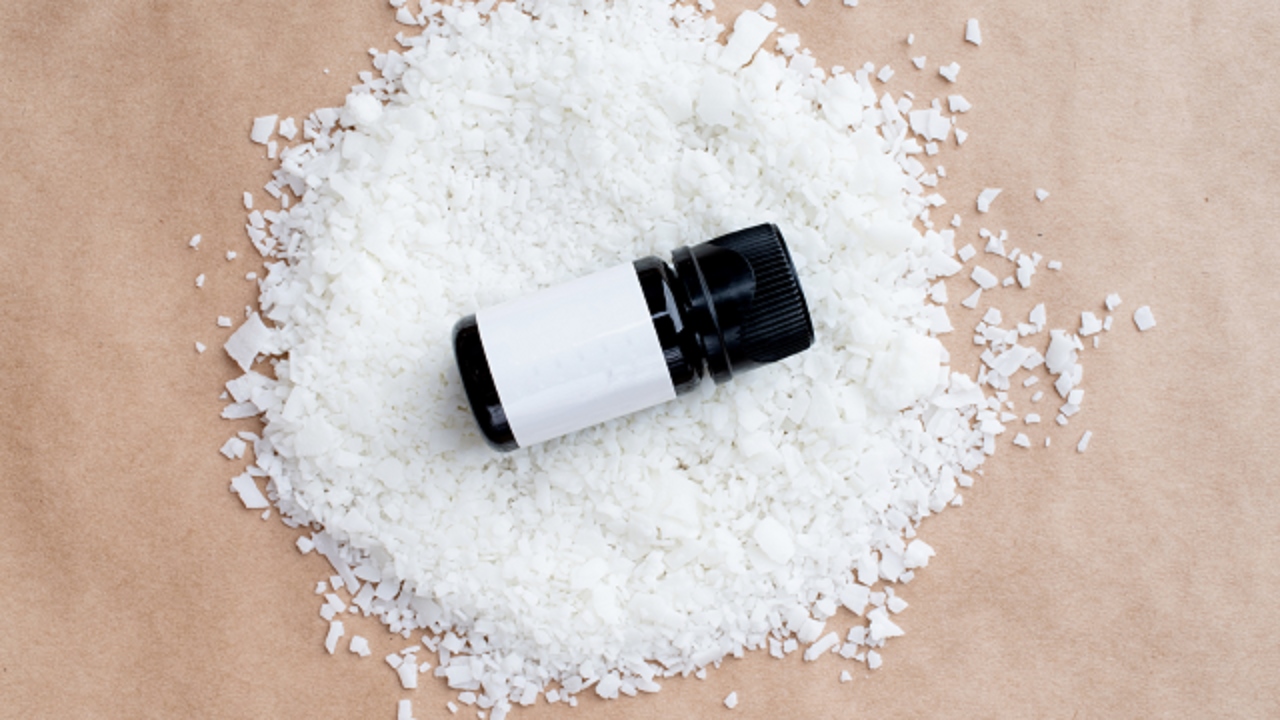
Industrial-grade PEG from leading manufacturers.
| Model | Appearance | Package | DOW | PETRONAS |
| PEG200 | Clear, viscous, hygroscopic liquid | 220 kg | √ | √ |
| PEG300 | Clear, viscous, hygroscopic liquid | 130/220 kg | √ | |
| PEG400 | Clear, viscous, hygroscopic liquid | 130/220/1000 kg | √ | √ |
| PEG540 | liquid | √ | ||
| PEG600 | Liquid or waxy | 200/220 kg | √ | √ |
| PEG1000 | Creamy white paste | 220 kg | √ | √ |
| PEG1450 | √ | |||
| PEG1500 | White waxy flakes | 25 kg | √ | |
| PEG2000 | White waxy flakes | 25 kg | ||
| PEG3000 | White waxy flakes or powder | 25 kg | ||
| PEG3350 | White waxy flakes or powder | 25/91/700kg | √ | |
| PEG4000 | White waxy flakes or powder | 25 kg | √ | |
| PEG6000 | White waxy flakes or powder | 25 kg | √ | |
| PEG8000 | White waxy flakes or powder | 25 kg | √ | |
| PEG10000 | Pale hard waxy flakes or powder | 25 kg | ||
| PEG20000 | Pale hard waxy flakes or powder | 25 kg | ||
| PEG35000 | Pale hard waxy flakes or powder | not regular |
How is Polyethylene Glycol Used in the Biopharmaceutical Field?
Surface functionalization
Vaccine development
Tissue engineering
Bioconjugation
Also known as PEGylation, PEGylation involves attaching PEG to protein or peptide drug molecules. This allows proteins to circulate longer in the blood, increasing drug solubility, extending half-life, and reducing immunogenicity (e.g., PEG interferon).
Drug delivery
such as the cutting-edge PEG hydrogel drug delivery platform
What chemical reactions can PEG participate in?
The hydroxyl groups at the ends of polyethylene glycol molecules can react with alcohols, such as esterification, carbonation, and carbamylation. Protein drug modification (PEGylation) involves attaching PEG chains to proteins and peptides to increase drug solubility, extend half-life, and reduce immunogenicity. Methoxypolyethylene glycol (MPEG) can react with terminal molecules to form new compounds. PEG has a wide range of interactions with proteins and organic molecules, particularly anticancer drugs. In some cases, PEG can also be effective in anticancer drugs even when not bound to other molecules. Animal studies have shown its anti-colon cancer effects.
What substances are incompatible with PEG?
PEG has excellent compatibility with most substances. However, it precipitates with the following: phenol, cresol, resorcinol, salicylic acid, β-naphthol, tannic acid, potassium iodide, etc.
Application of PEG in medicine
As an excipient
liquid preparations
low-molecular-weight polyethylene glycol (PEG) can be used as a solvent and cosolvent due to its excellent solubility. It is recommended for liquid preparations such as drops, injections, and capsule contents. PEG does not soften gelatin. Liquid PEG has a slightly bitter taste, while solid PEG is odorless.
PEG400 recommended
Ointment bases
Solid PEG is insoluble in liquid PEG. Mixing a paste or solid PEG with a liquid PEG forms a white paste-like ointment that has good solubility in water and is compatible with many active ingredients (e.g., 40% PEG 3350 + 60% PEG 400). Ointment bases containing PEG can be combined with cetyl alcohol, cetostearyl alcohol, stearic acid, propylene glycol, glycerin, glyceryl monostearate, and polyoxyethylene sorbitan fatty acid esters.
PEG4000、PEG6000、PEG8000 recommended
Suppositories
Solid polyethylene glycol is an ideal suppository base. Many active ingredients can be dissolved in polyethylene glycol, resulting in excellent drug bioavailability. Different molecular weight ratios can produce varying degrees of hardness (e.g., 25% PEG 1000 + 75% PEG 1500 S produces a very soft base; whereas, 25% PEG 4000 S + 75% PEG 6000 S produces a nearly solid base).
PEG4000、PEG6000、PEG8000 recommended
Tablets
Polyethylene glycol has many applications in tablets, serving as a carrier for active ingredients, a solubilizer, and an absorption enhancer. This is typically achieved through melt granulation (limited to active ingredients that can withstand temperatures above 70°C). It also serves as a lubricant and binder during tablet production. A lower melting point is recommended. The plasticizing effect of polyethylene glycol facilitates tablet formation, prevents capping, and increases plasticity. Solid polyethylene glycol can also be used as a plasticizer in tablet coatings and as an anti-adherent agent in sugar coatings; in film coatings, polyethylene glycol serves as a film-forming agent.
PEG4000、PEG6000、PEG8000 recommended
As active ingredients
In ophthalmic analgesics
Polyethylene glycol 300 and 400 are used as mild analgesics in ophthalmic medications at dosages of 0.2% to 1.0%. Polyethylene glycol 6000 is listed for ophthalmic use.
Laxatives
Due to its high water solubility and lack of absorption by the human body, polyethylene glycol is recommended for use in laxatives (without side effects such as nausea and flatulence). For example, PEG 4000 is the main ingredient in oral bowel preparations and is used in laxatives for the treatment of childhood constipation. Furthermore, polyethylene glycol solutions are often used for whole-bowel irrigation to flush the gastrointestinal tract before colonoscopy or surgery. The United States Pharmacopeia provides details on “Polyethylene glycol 3350 with electrolytes oral solution.” Industrial production is less recommended due to the difficulty of mixing fine powders with other electrolytes and the hygroscopic nature of the powder.
PEG3350, PEG4000 recommended
Organ Preservation
Linear high molecular weight polyethylene glycol (20,000 daltons) is specifically used to protect, maintain, or restore the function of cells, tissues, or organs. Long chains are more effective than short chains in preventing cell death.
High molecular weight polyethylene glycol has a high tolerance for organ transplantation and has been shown to prevent protein permeation through cell membranes.
PEG20000 recommended
Applications of PEG in Other Fields
1. Cosmetics and Personal Care
Another major use of polyethylene glycol is in the production of cosmetics such as shampoo and shower gel. This is because its hydrophilic nature makes it an ideal surfactant and emulsifier. This chemical is also a common ingredient in moisturizers and hair care products. It is used as a humectant, thickener, and lubricant in lotions, toothpaste, shampoo, etc.
2. Industrial Fields
Lubricants, flux, release agents, ceramic forming agents, etc.
Adhesives in ceramic production. This substance is mixed with aluminum oxide particles and a spray-dried ceramic surface or layer, then bonded together under pressure and heat.
Polyethylene glycol can be synthesized into polyethylene terephthalate (PET or PETE), a high-gloss, transparent plastic commonly used in packaging for a variety of products. PET is also used to make medical tubing, cosmetic containers, and electronic packaging. It is also used as an additive in antifreeze agents.
3. Chemical and Biochemical Research
Used in protein crystallization, cell fusion, and gas chromatography stationary phases.
4. Military Uses
Polyethylene glycol can also be plasticized with nitrate esters to form a solid propellant called NEPE-75. This fuel is used in submarine-launched ballistic missiles.
What are some common polyethylene glycol derivatives used in industrial production?
Polyethylene glycol monomethyl ether
Allyl polyethylene glycol APEG, polyethylene glycol stearate, polyethylene glycol laurate, polyethylene glycol oleate
Using BASF as an example, what are the common polyethylene glycol derivatives used in the pharmaceutical field?
1. Kollitab™ DC 87 L
This is a mixture of lactose monohydrate, polyvinyl alcohol polyethylene glycol copolymer, crospovidone, and sodium stearyl fumarate.
This is an all-in-one co-processed excipient containing fillers, binders, disintegrants, and lubricants. It is packaged in 1 kg or 20 kg quantities and has a shelf life of 36 months.
2. Kollicoat® IR.
Name: Polyvinyl alcohol polyethylene glycol copolymer
This is a third-generation film-forming material for immediate-release coatings. It features low viscosity, high adhesion, and high coating efficiency. It does not require plasticizers, simplifies formulation, and is the preferred choice for transparent coatings. It is particularly suitable for use as a drug-coating binder and barrier layer for pellets. It can also be used as a pore-forming agent in sustained-release coatings and as a binder for wet granulation. Packaged in 15/20 kg quantities, with a shelf life of 36 months.
3. Kollicoat® Protect
Polyvinyl alcohol-polyethylene glycol is a blend of a graft copolymer and polyvinyl alcohol. It is used for moisture-proof coatings and can also replace gelatin in soft capsule shells. 20/25 kg, 30 months.
4. Kolliphor® HS 15
Polyethylene glycol 15-hydroxystearate is a viscous nonionic solubilizer with strong solubilizing power and excellent safety, with an HLB value of approximately 14-16. A preferred solubilizer for human injectable solutions and emulsions, it can also be used in veterinary injectables.
IID Name: PEG-15 hydroxystearates
Packaging: 5kg or 50kg, with a shelf life of 24 months.
5. Soluplus®
Polyethylene caprolactam-polyvinyl acetate-polyethylene glycol graft copolymer
This novel polymer, specifically designed for solid solutions, is a BASF exclusive. It improves the solubility and bioavailability of poorly soluble drugs, offers excellent extrudability, and simplifies post-processing, making it ideal for hot-melt extrusion. This product is a white to slightly yellow, free-flowing powder that is virtually odorless. Available in 12.5 kg/25 kg packages. Shelf life: 36 months.
6. Kolliphor® CS 12
Macrogol Cetostearyl Ether 12
Emulsifier/Solubilizer
Ph.Eur.: Macrogol Cetostearyl Ether 12
Packaging: 20 kg. Shelf life: 24 months.
7. Kolliphor® CS 20
Macrogol Cetostearyl Ether 20
Emulsifier/Solubilizer
Ph.Eur.: Macrogol Cetostearyl Ether 20
USP/NF: Polyoxyl 20 Cetostearyl Ether
Packaging: 25 kg. Shelf life: 24 months.
Conclusion
Highassay is committed to being a pioneer in upstream industry suppliers and a loyal service provider to downstream pharmaceutical, chemical, and pharmaceutical companies. With over 20 years of experience, we have established strong relationships with numerous domestic and international chemical, food, and pharmaceutical raw material manufacturers and suppliers. Highassay offers a comprehensive range of grades and has served thousands of customers. You can find nearly any product you’re looking for here, including high-quality products from renowned international manufacturers such as BASF and DOW (USA), CLARIANT (Germany), AOKI (Japan), Mitsubishi (Japan), CEAMSA (India), and CEAMSA (Spain).
Regarding Polyethylene Glycol (PEG), Highassay offers various grades from major brands such as BASF, CLARIANT, DOW, PETRONAS, and Sasol, as well as many domestic Chinese brands. If you have any PEG needs, please feel free to contact us.
Q & A
Q1: Relationship between PEG hygroscopicity and molecular weight.
A higher molecular weight indicates a lower hygroscopicity.
Q2: Is PEG natural?
No, PEG’s original raw material comes from petroleum. It’s not natural.
Q3: What are the naming specifications for different PEG grades?
The main reference standard is PEG molecular weight. For example, if the average molecular weight range is 270-330, then the middle value, 300, would be designated as PEG 300.
PEG is divided into different grades based on molecular weight, and there are also pharmaceutical and industrial grades. Please contact the manufacturer for specific pricing.
Q4: Is PEG soluble?
PEG has good water solubility, and its solubility decreases with increasing molecular weight. The larger the molecular weight, the lower the solubility.
It is soluble in organic solvents such as acetone and alcohol.
Many substances are also soluble in PEG.
In summary, PEG has good compatibility.
Q5: What is the typical shelf life of PEG?
Shelf life is generally 24-36 months. Please contact the manufacturer for specific models.
Q6: Is PEG toxic?
PEG is generally non-toxic.
Q7: Are there allergic reactions to PEG?
The use of PEG for various populations, such as those with allergies, pediatrics, the elderly, and breastfeeding women, is unproven and the risks are unknown.
Q8: Can PEG be used long-term?
Short-term use of PEG is generally safe, but long-term use depends on dosage and individual differences. Consult a doctor to assess the risks.
Q8: What are some well-known brands of PEG pharmaceutical preparations?
Colyte, GaviLyte, Golytely, Miralax, ClearLax
Q9: Polyethylene Glycol (PEG) vs. Polyethylene Terephthalate Glycol (PETG)
PEG is a series of polymers formed by the stepwise addition polymerization of ethylene oxide and water or ethylene glycol.
Polyethylene terephthalate glycol is a polyester formed by the copolymerization of terephthalic acid (TPA), ethylene glycol (EG), and cyclohexanedimethanol (CHDM). It is a structural material used in plastic bottles, 3D printing materials, and other applications.
These two products are completely different and unrelated.
If there is any connection, it is that they both use ethylene glycol as a raw material.
Q10. How does polyethylene glycol 3350 work?
PEG 3350 is a long-chain polymer with a high average molecular weight of approximately 3350 Daltons.
It is an osmotically active substance. According to physical principles, water will flow from areas of low concentration to areas of high concentration until the concentrations in both areas reach equilibrium.
When used as a laxative, PEG 3350 exploits this principle of osmotic activity. Upon entering the intestine, PEG 3350 creates a high osmotic pressure environment. To balance the pressure, water in the body enters the intestine through the intestinal mucosa, thereby softening the stool and promoting laxative effects. PEG3350 has a large molecular weight and is not absorbed by the body, being excreted in the stool, making it very safe.
Common pharmaceutical-grade polyethylene glycol 3350 complies with USP/EP and is typically packaged in 25 kg barrels.